Creating a Professional First Impression with Medical Facebook Covers
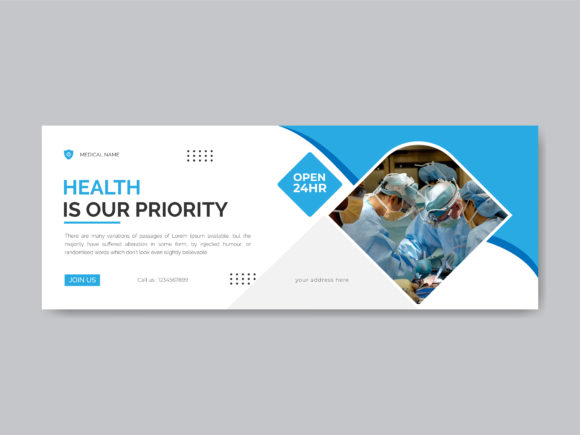
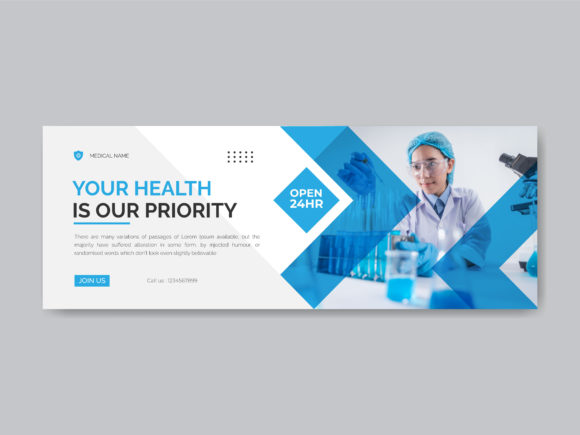
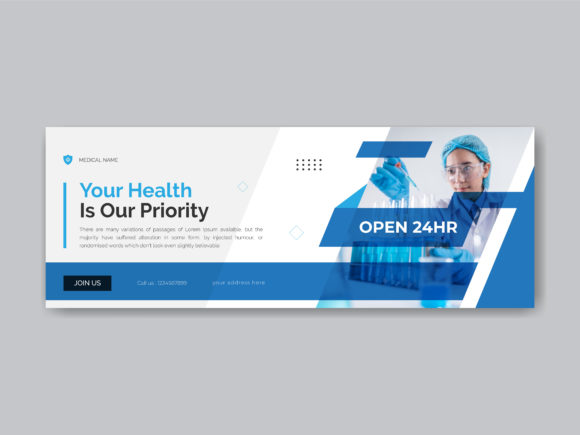
In the healthcare and wellness sector, trust isn't just a buzzword; it is the foundation of every patient relationship. When a potential patient lands on your social media profile, they make a judgment about your credibility in milliseconds. A pixelated, poorly cropped, or generic banner image can instantly undermine the professionalism of your practice. That is why having a high-quality, polished visual presence is non-negotiable. If you have been searching for the right way to present your clinic, hospital, or private practice online, finding the right Medical Facebook Covers Design is the first step toward establishing that vital visual authority.
It is easy to treat a Facebook cover as an afterthought—just a piece of digital real estate to fill with a stock photo. However, for medical professionals, this space serves as a digital waiting room. It sets the mood before the user even reads your "About" section. Whether you are a dentist, a chiropractor, a pediatrician, or a wellness coach, the design needs to communicate hygiene, calmness, and competence. This is where a dedicated template system changes the game. Instead of struggling with canvas sizes and alignment, you can utilize a pre-structured file that ensures your brand looks sharp on every device.
The Technical Foundation: Why Specifications Matter
One of the most common frustrations for small business owners and non-designers is the technical aspect of digital graphics. Uploading a beautiful image only to have it cropped awkwardly on a mobile device is a waste of time and effort. A professional template eliminates this guesswork. The standard 851px x 315px Facebook Cover Template size is specifically optimized for the Facebook interface, ensuring that your key visual elements remain visible across desktop and mobile views.
Beyond dimensions, the quality of the file dictates the final output. A template designed in Ai cc (Adobe Illustrator Creative Cloud) offers vector-based scalability. This means you can resize elements without losing quality. However, the features that truly make a template user-friendly for the average business owner are the Smart Layers and Well Organized Layers.
Imagine you want to swap out a photo of a stethoscope for a photo of your team. With Smart Layers, you don't need to manually resize or mask the image. You simply double-click the layer, paste your photo, save, and the template automatically applies the correct perspective and effects. Furthermore, Fully Editable Files mean you aren't locked into the original design. If your clinic’s branding colors are a specific shade of teal and grey, but the template is blue and white, you can change every element to match your identity.
Bridging the Gap Between Template and Brand Identity
Having a high-quality file is only half the battle. The real challenge is customization. A template is a skeleton; your brand personality provides the flesh. For medical professionals, this involves a careful selection of colors and typography. The template uses an RGB Format Color profile, which is the standard for digital screens. This ensures that the colors you see on your monitor are exactly what your audience sees on their phones—vivid, accurate, and professional.
Typography plays a massive role in how your medical practice is perceived. The inclusion of Free Google Fonts in the design package is a significant advantage for branding consistency. Google Fonts are widely accessible and web-safe, meaning if you use the same font on your website and your Facebook cover, your branding remains seamless. When customizing your cover, consider the personality of your practice:
- Serif Fonts: Often convey tradition, authority, and reliability. These are excellent for established hospitals or law-oriented medical practices.
- Sans Serif Fonts: These feel modern, clean, and approachable. They are perfect for pediatric clinics, dermatologists, or modern wellness centers.
- Script or Handwritten Fonts: While these can add a human touch, they should be used sparingly in the medical field to ensure legibility. They work well for holistic healers or beauty-focused medical spas.
When selecting your typography, prioritize readability over style. Your cover image might include a tagline, your operating hours, or an emergency number. If these are written in a decorative script that is difficult to read on a small mobile screen, the design fails its practical purpose. Always pair a decorative header font with a clean, simple body font to maintain a professional presentation.
Expanding Your Visual Reach Beyond the Cover Photo
While the immediate application is for social media, the assets included in a high-quality design package offer versatility. If you are building a brand identity from scratch, you can use the elements within the Facebook cover template to inspire your other marketing assets.
For example, the color palette and layout style used for your Facebook banner should logically extend to your other social media graphics. If you create a "Meet the Doctor" graphic for Instagram Stories, it should share the same visual DNA as your Facebook cover. This consistency builds brand recognition. When a patient sees your post in their feed, they should instantly recognize it as yours without reading the handle.
This design approach is also highly effective for digital products and internal communications. Consider using the template styles to create:
- Internal Posters: Hygiene protocols or staff motivational posters for the breakroom.
- Event Invitations: Promoting a community health fair or a flu shot clinic.
- Packaging Design: If you sell skincare products or supplements, the visual style of your social media can inform your product labels.
- Blog Headers: Maintaining a consistent look between your social feed and your website blog creates a cohesive user experience.
By utilizing a 150 DPI template, you ensure that your designs are crisp. While 72 DPI is standard for web, 150 DPI offers a safety net if you decide to use these designs for small print materials like flyers or appointment cards. This flexibility is invaluable for a busy practice that needs to pivot quickly between digital and physical marketing.
Practical Steps for Customization and Deployment
To get the most out of your design, approach the customization process with a strategy. Start by gathering your assets: your logo in a high-resolution PNG format (with a transparent background), high-quality photos of your facility or staff, and your brand style guide (colors and fonts).
Open the file in Adobe Illustrator. Navigate to the layers panel. Because the layers are well organized, you will see distinct groups for the background, imagery, text, and logo placeholders. This organization is crucial for visual consistency. It prevents you from accidentally moving the wrong element and allows you to toggle visibility to test different looks.
When editing, think about the "Safe Zone." Facebook often overlays profile pictures or buttons on the bottom left or right of the cover image depending on the device. A good template will already have guides for this, but always test your design. Place your most critical information—like your clinic name or phone number—in the center or upper quadrants where they are safe from being covered by UI elements.
Finally, consider the audience engagement aspect. A static image is standard, but you can use this template to design a video cover or a slideshow. For instance, you could design three variations of the cover: one showcasing the exterior of the clinic, one featuring the staff, and one highlighting a specific service. Rotating these keeps your page looking fresh to repeat visitors.
Ultimately, a Medical Facebook Covers Design template is more than just a file; it is a tool for building trust. It bridges the gap between high-end agency design and the practical needs of a medical practice. By leveraging smart layers, organized files, and web-safe typography, you ensure that your first digital impression is one of competence, care, and professionalism. Whether you are refreshing your current look or launching a new practice, investing in a structured design asset is a practical step toward a stronger visual identity.